 Scalea Boats
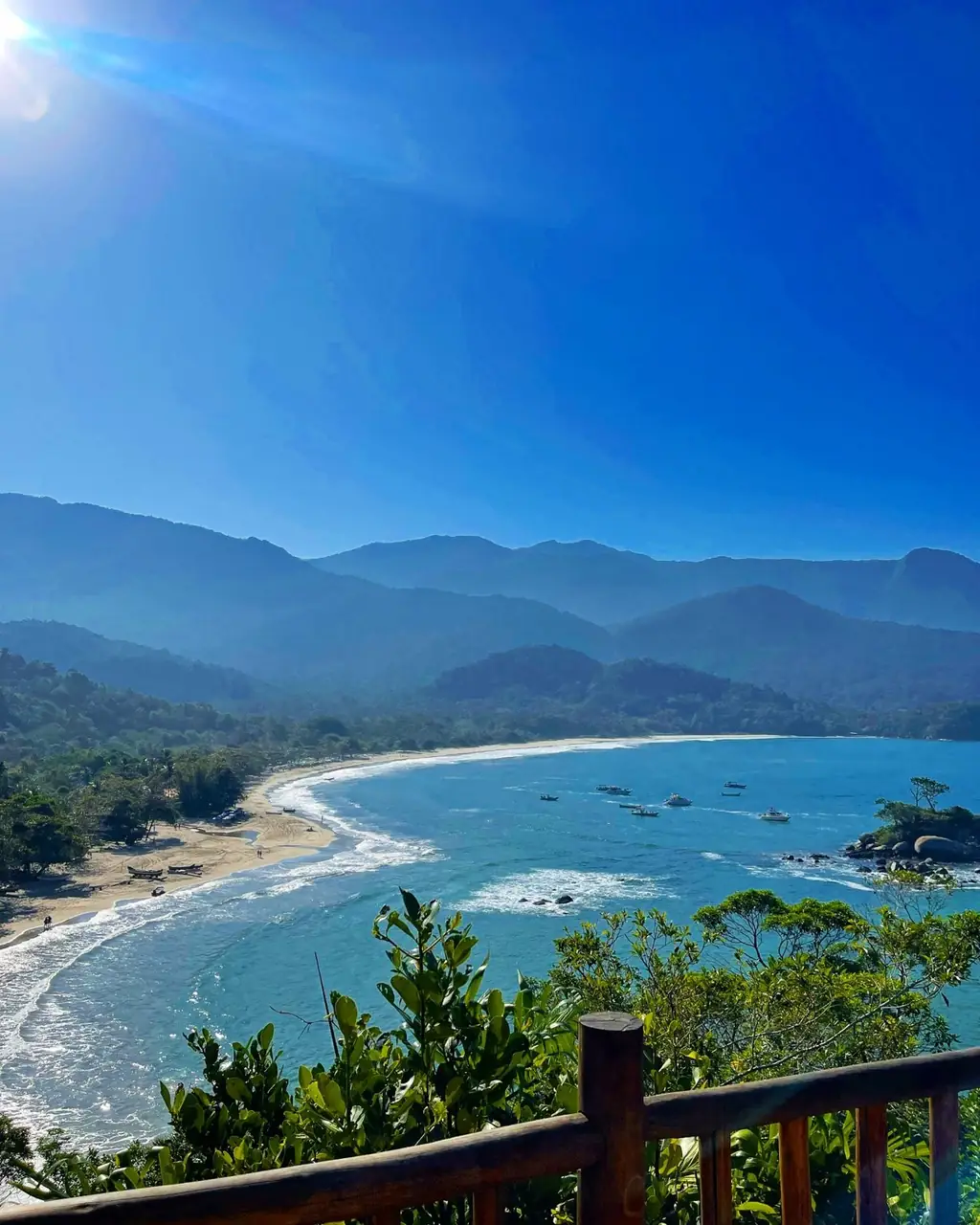
Ilhabela is an archipelago with a geological and human history far older than its tourism fame. Understanding that past changes the way you see the landscape.
An island that was once part of the mainland
According to municipal information based on studies by the University of São Paulo’s Institute of Geosciences, the archipelago’s main island, São Sebastião Island, is a continental island. Today’s landscape results from geological processes and sea-level changes over millions of years.
Settlement before Europeans
Archaeological research records human occupation before European arrival, including fishing-gathering groups and ceramic remains associated with the Itararé tradition.
 Scalea tourRent a boat just for your groupChoose the boat and the route at your own pace.See boats →
São Sebastião, Vila Bela and Ilhabela
The island was named São Sebastião after the Portuguese expedition of 1502. In 1805, the old settlement became Vila Bela da Princesa. The name Ilhabela was established in the 1940s, after other name changes throughout its history.
Caiçara culture
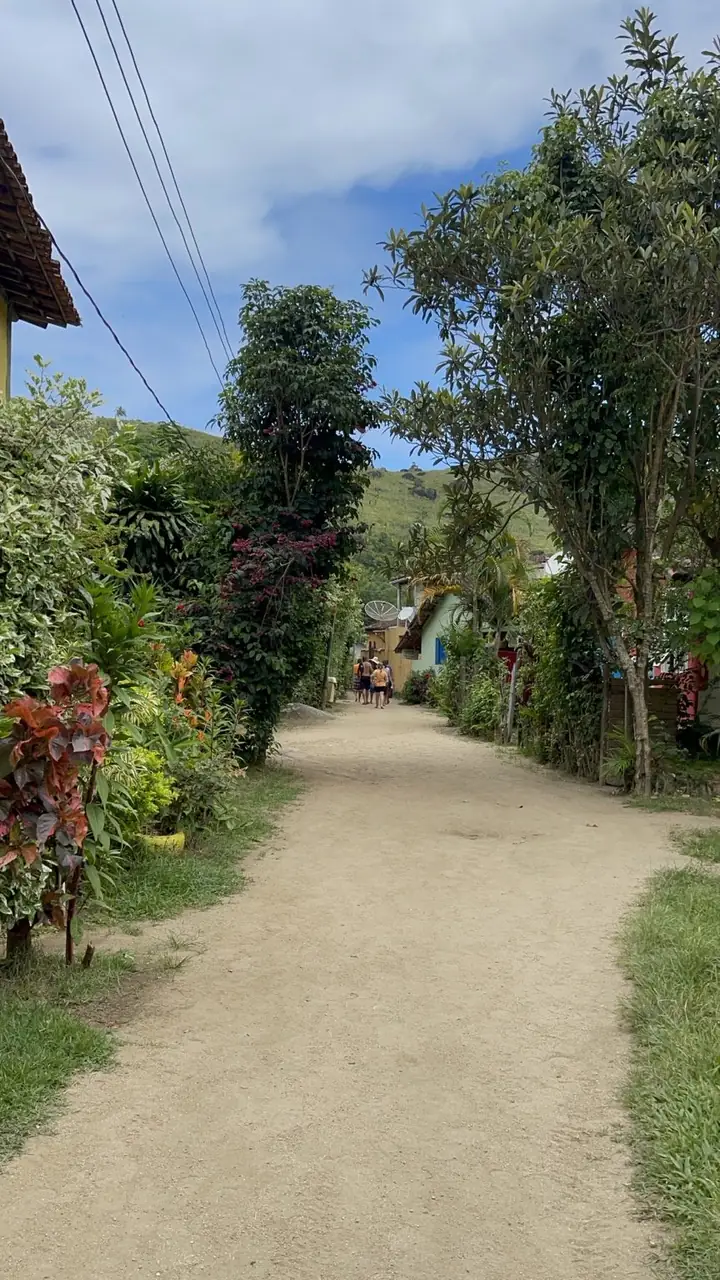
Traditional communities continue to maintain practices, celebrations, fishing, handicrafts and knowledge tied to the territory. On remote beaches such as Bonete, Castelhanos, Indaiaúba and Praia da Fome, this culture remains part of everyday life.
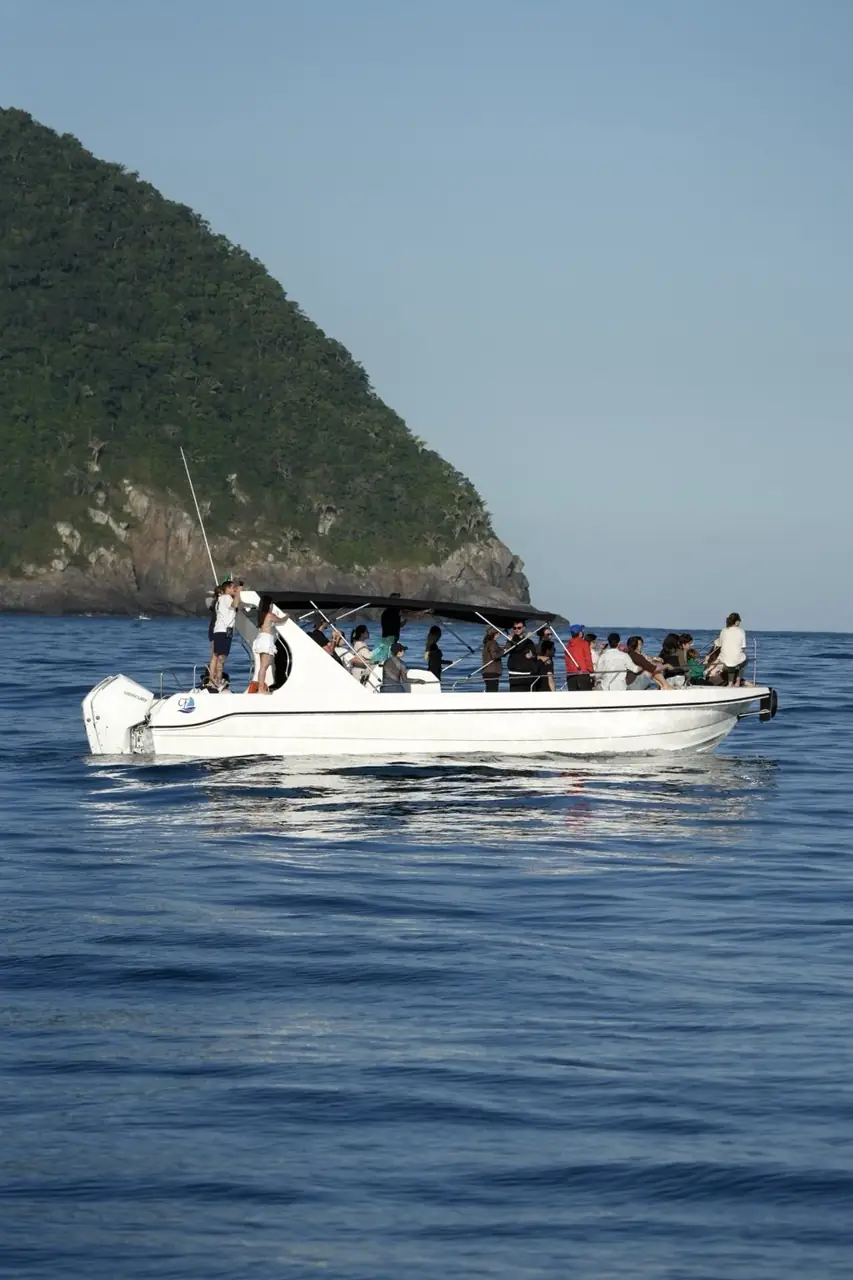 Scalea tourBeach tour by boatNorth or South route, full day. R$ 290 per person.See routes →
🏛️ History and culture: places to visit in Ilhabela
Museums, heritage sites and spaces that tell the island’s story. The first four are Scalea’s top picks for anyone who wants to learn about Ilhabela’s history: each offers a different, complementary experience.
1. Museu Náutico de Ilhabela
★ Scalea pick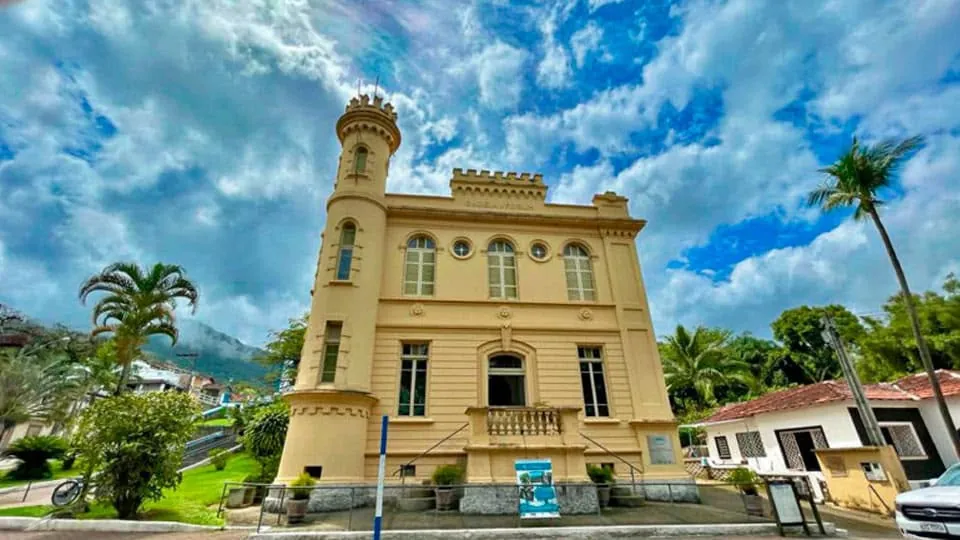
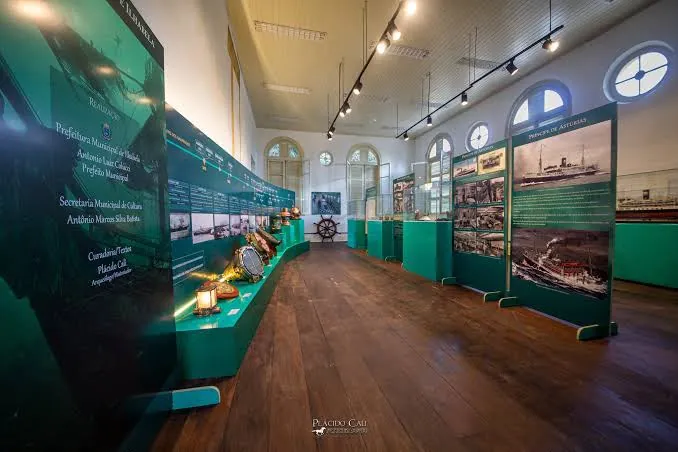
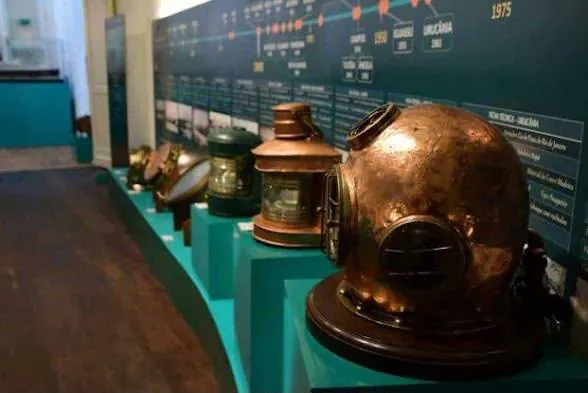
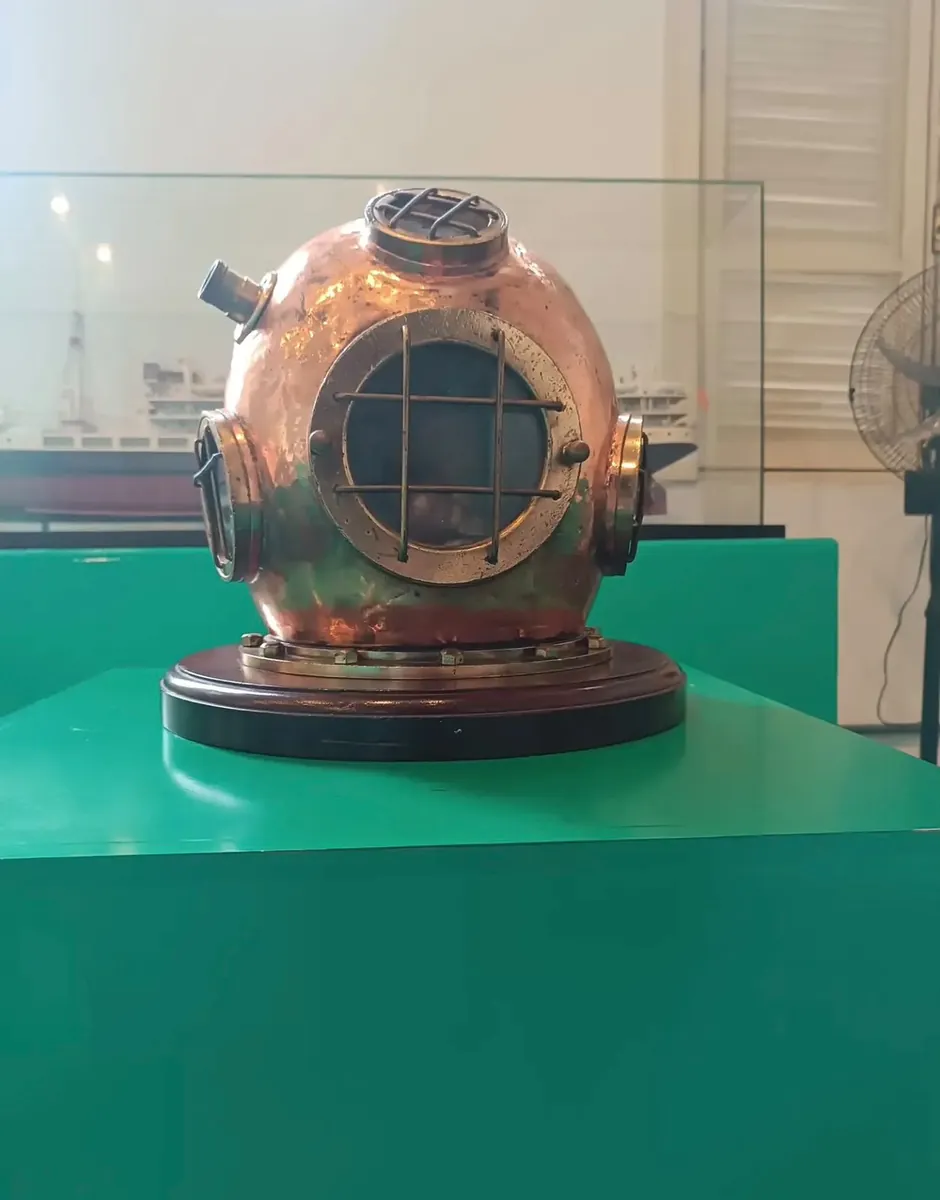
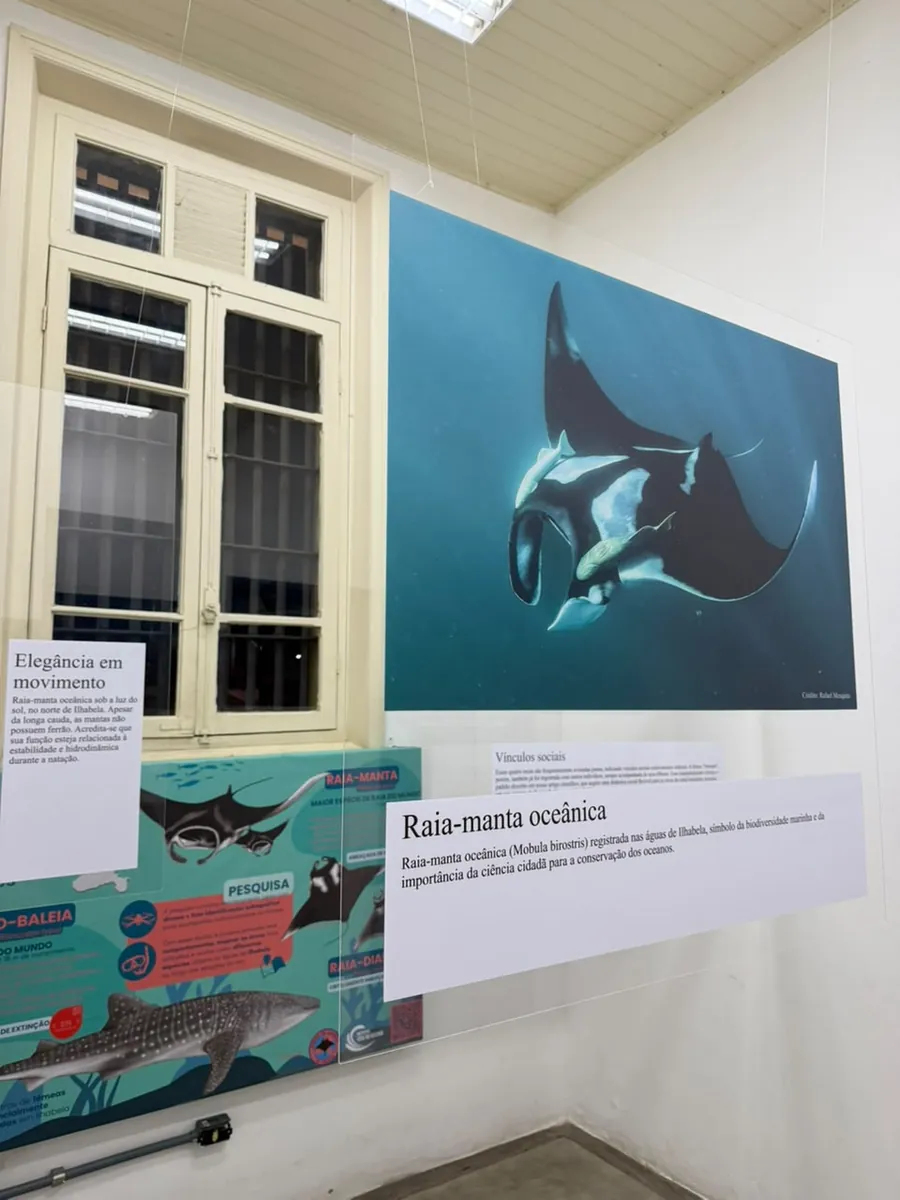
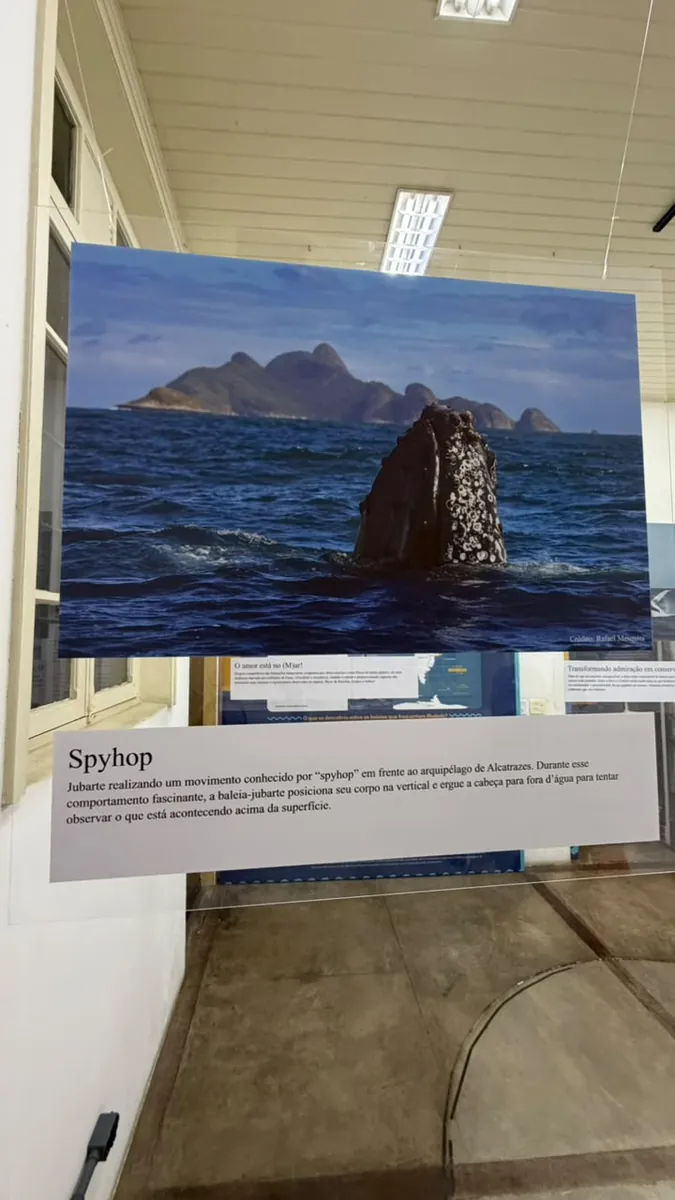
Images: courtesy and Plácido Cali. Exhibited photos: Rafael Mesquita
A must for anyone curious about the sea around Ilhabela. The museum holds about 1,200 items on shipwrecks, vessels and key moments in the region’s navigation history, including objects from the famous liner Príncipe de Astúrias, known as the “Brazilian Titanic”.
It is housed in the 1913 building that was once the town’s jail and courthouse.
2. Museu Waldemar Belisário — Centro Cultural da Vila
★ Scalea pick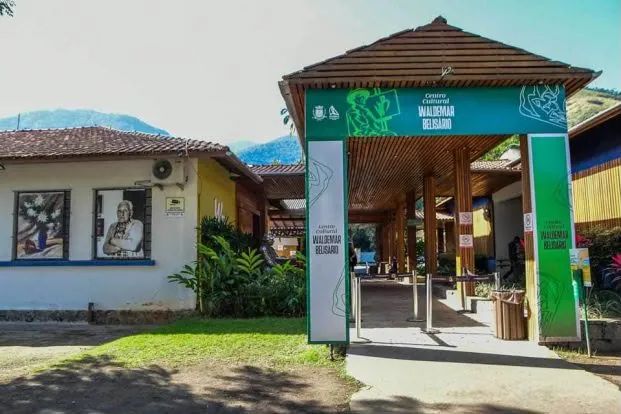
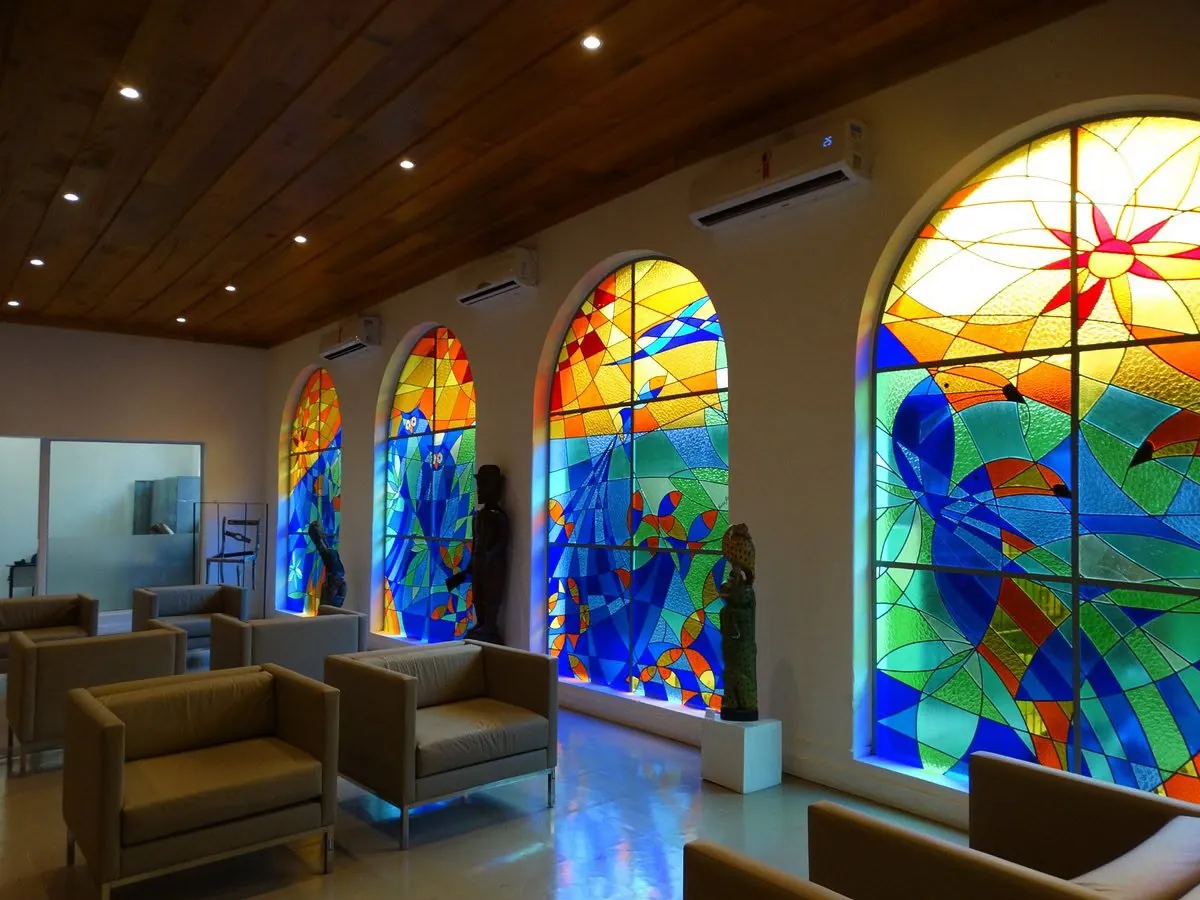
Images: courtesy
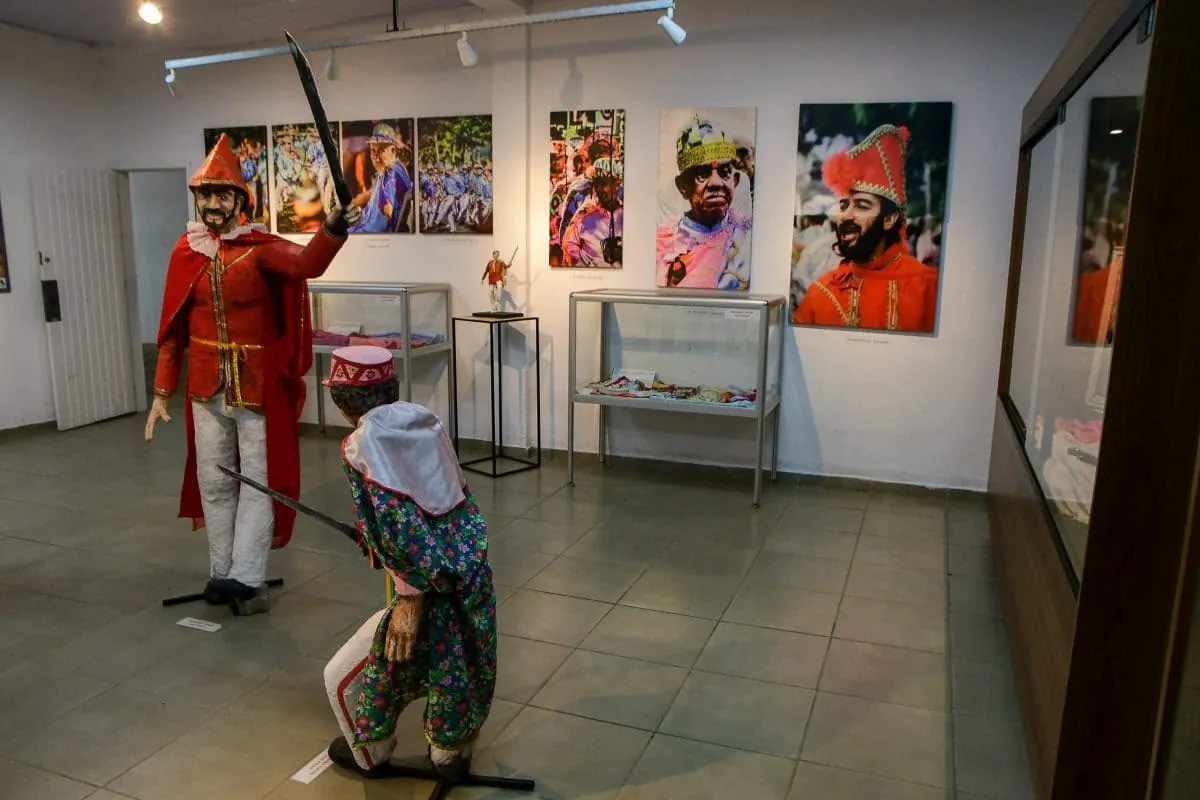
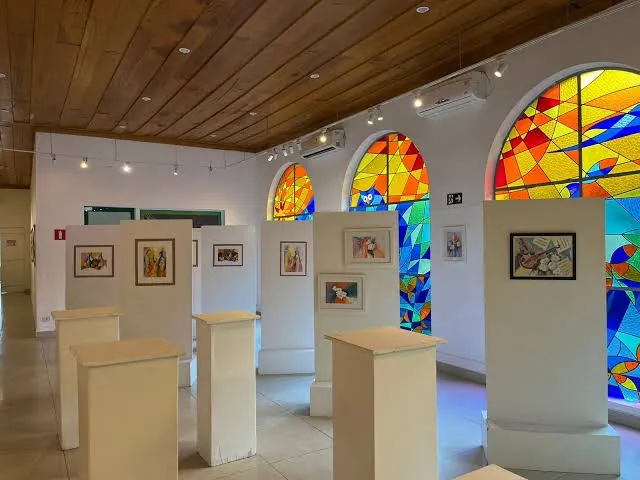
In the heart of the historic centre, a great way to discover Ilhabela’s art, traditions and cultural identity. It has exhibitions on shipwrecks, archaeology and the traditional Congada de São Benedito, plus a temporary exhibition room and the Cine Villa Bella.
3. Museu da Cultura Afro-Brasileira
★ Scalea pick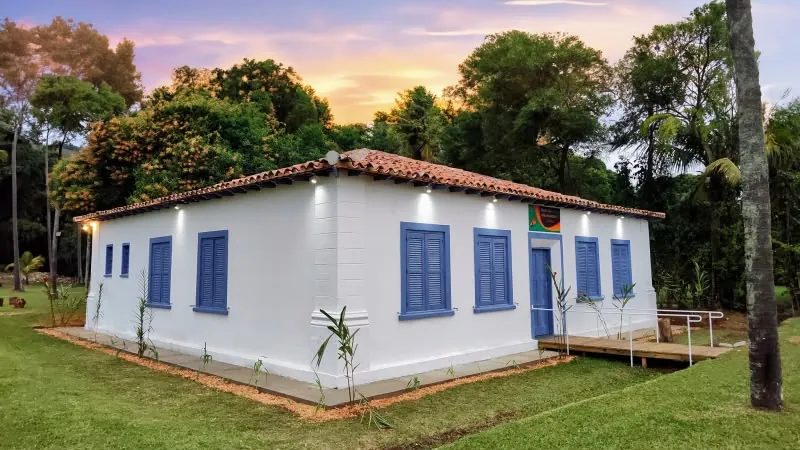
Images: courtesy
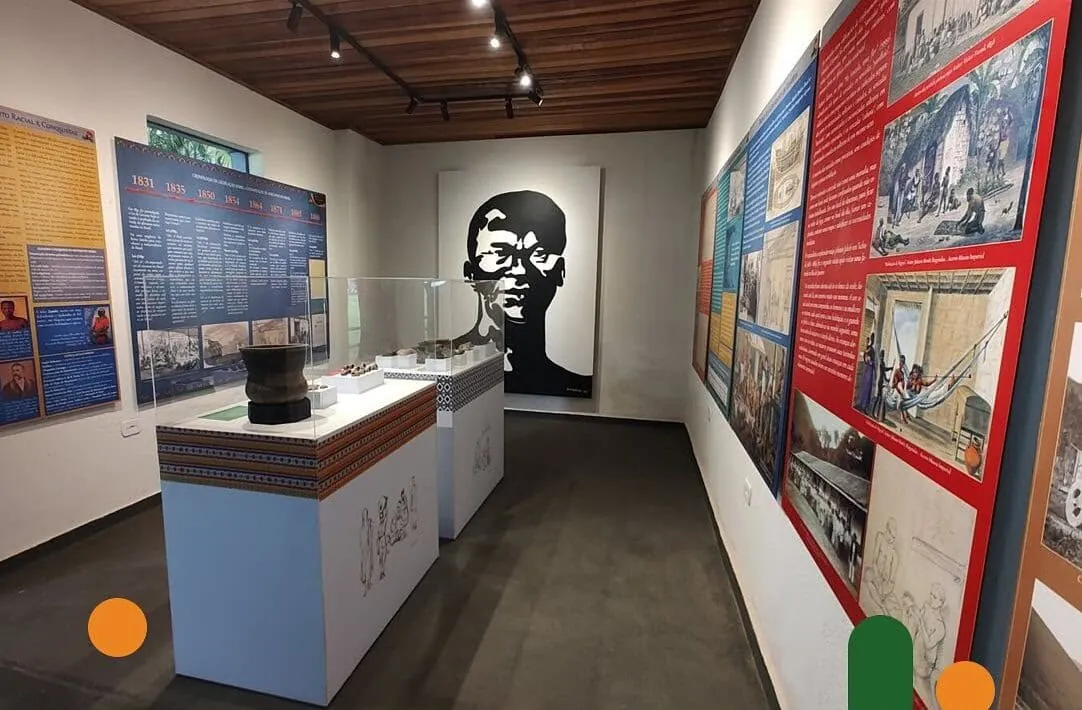
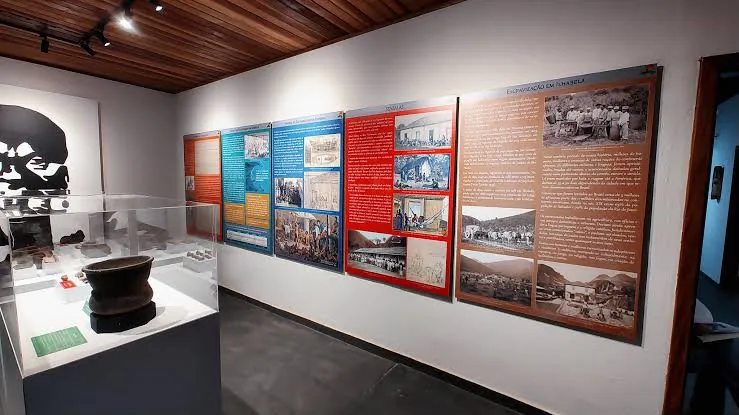
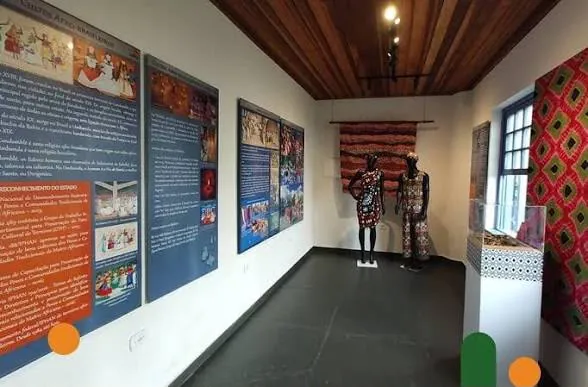
An important visit for understanding the contribution of Black people to the making of Ilhabela. Opened in 2024, its collection presents documents, historical objects and cultural expressions on the history of slavery, the struggle for freedom and the Afro-Brazilian legacy in food, religion and traditional festivals.
4. Fazenda Engenho D’Água
★ Scalea pick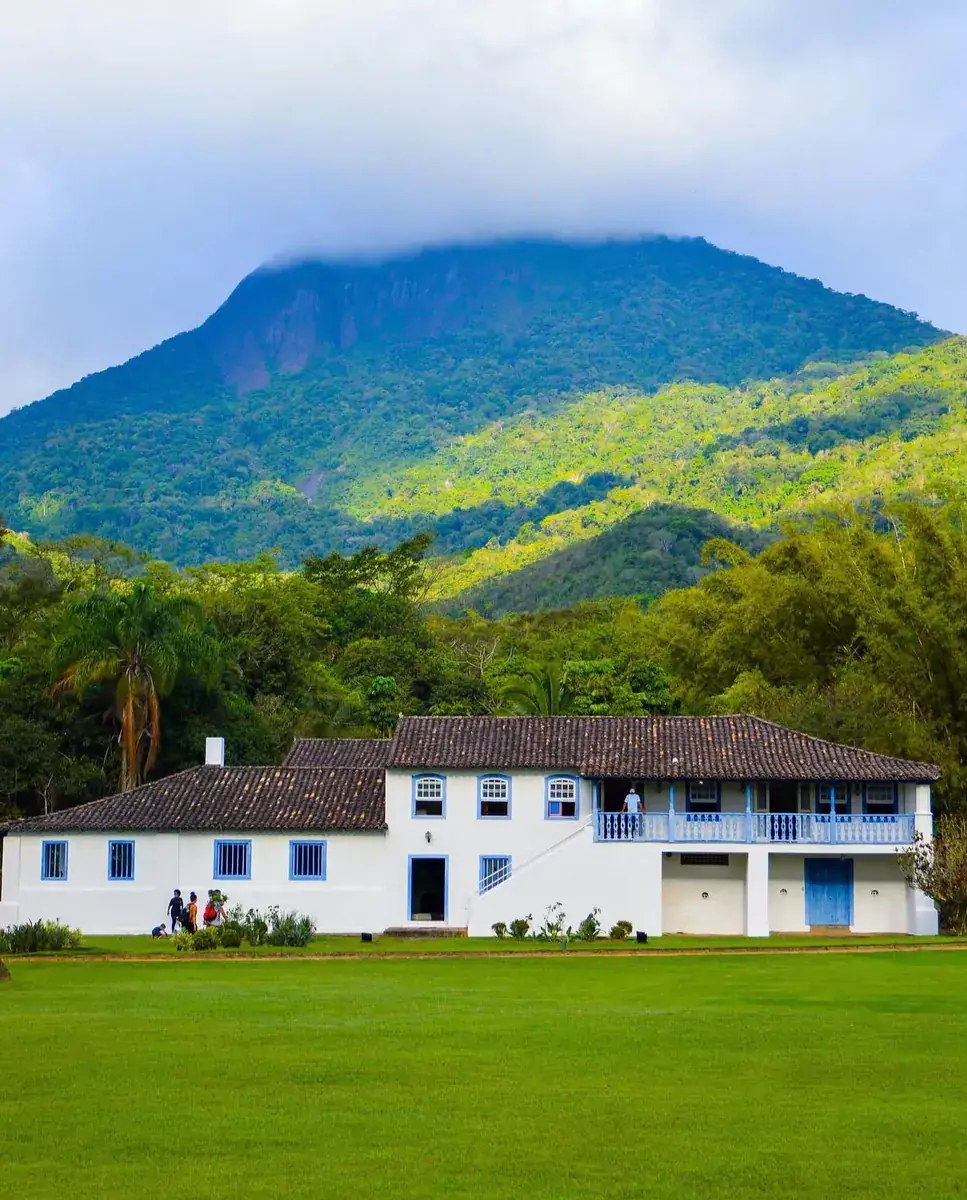
Images: courtesy
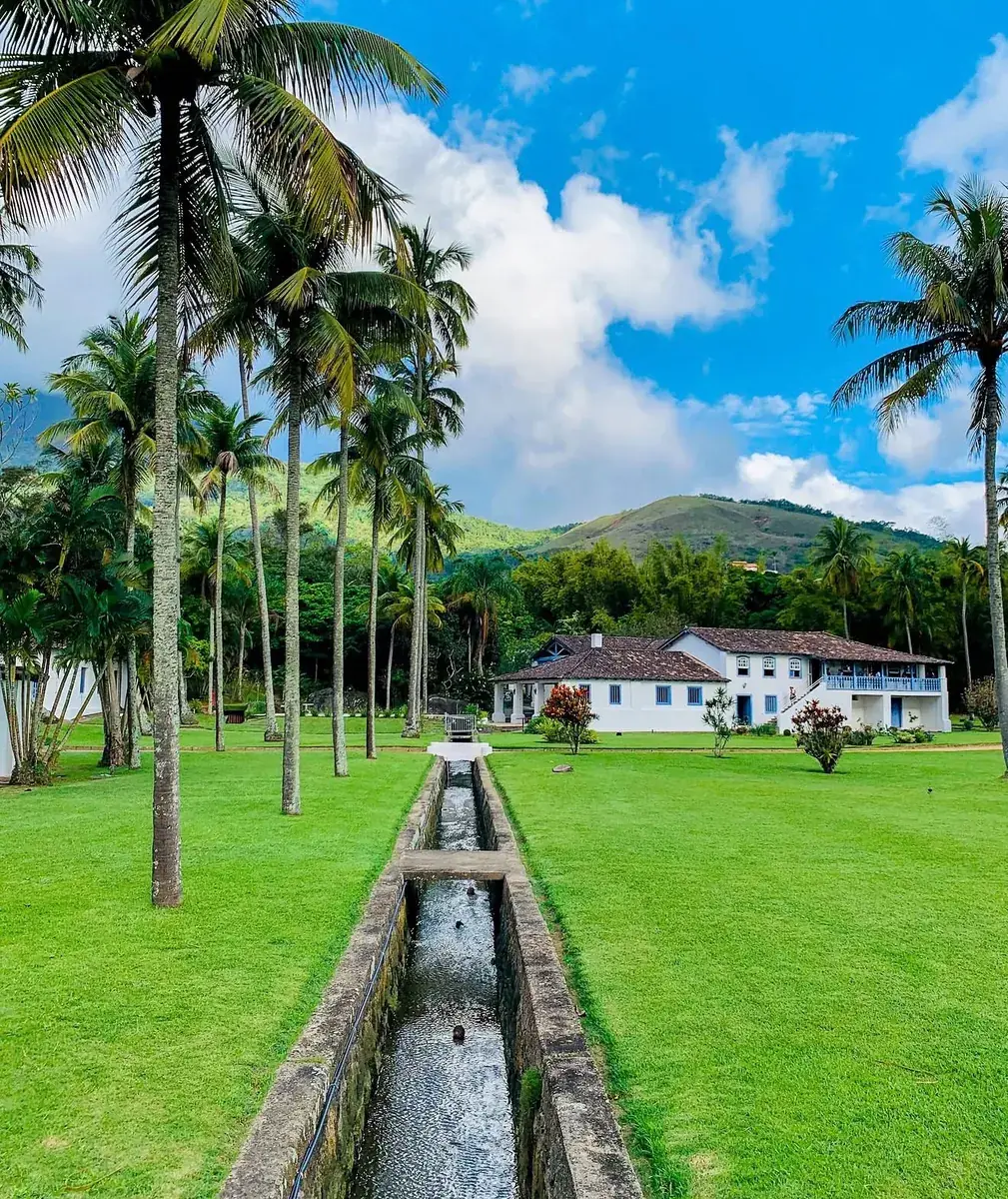
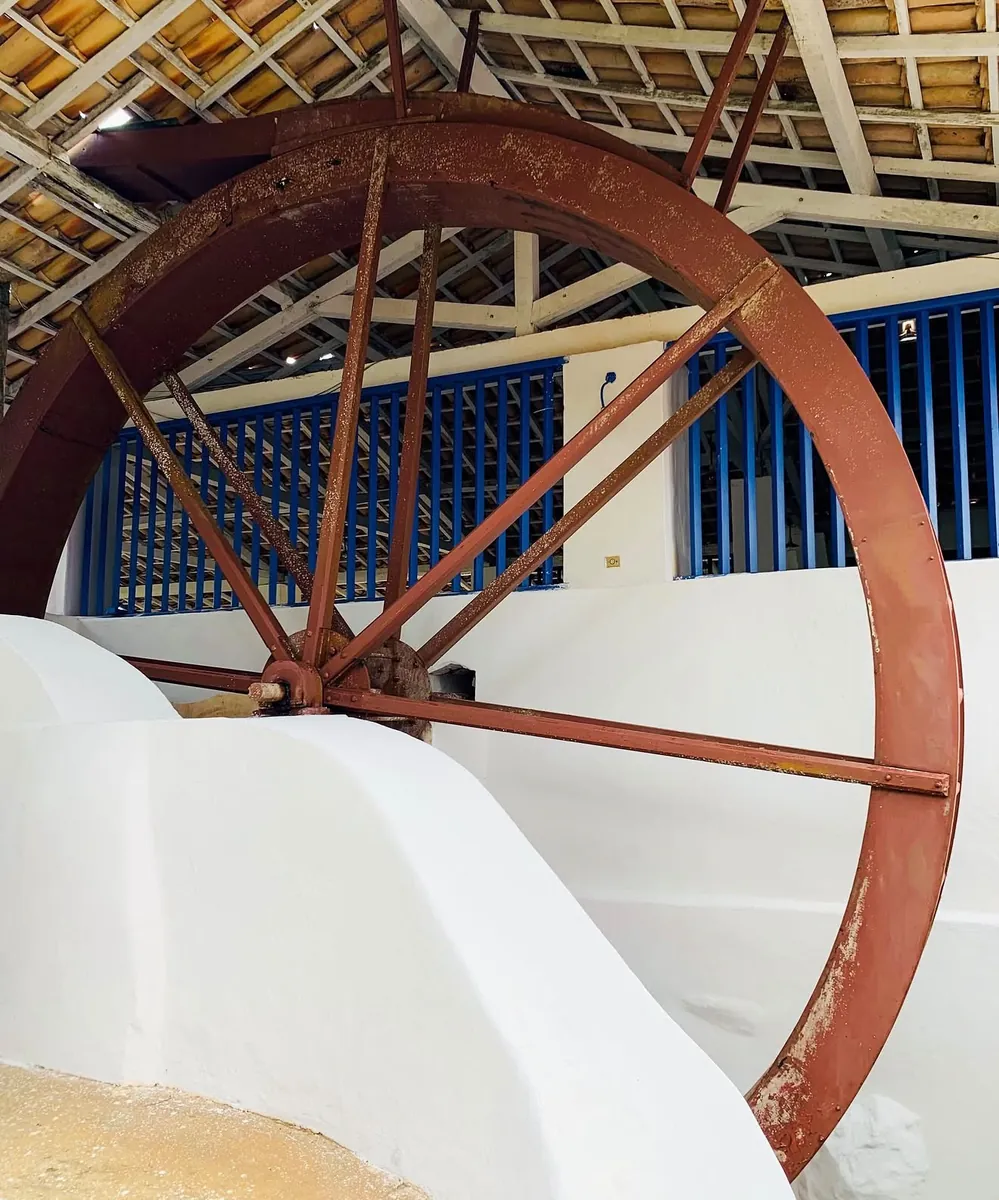
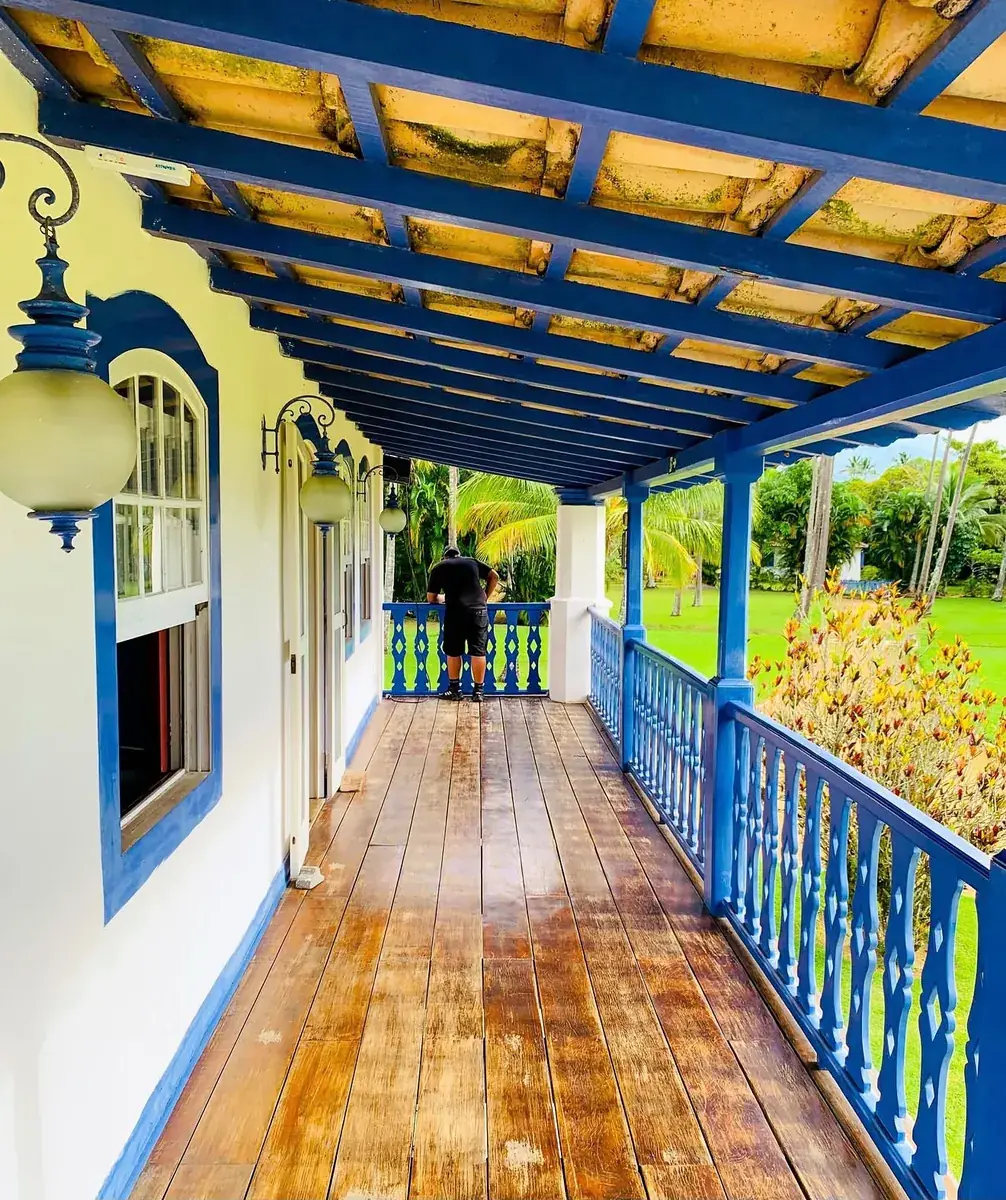
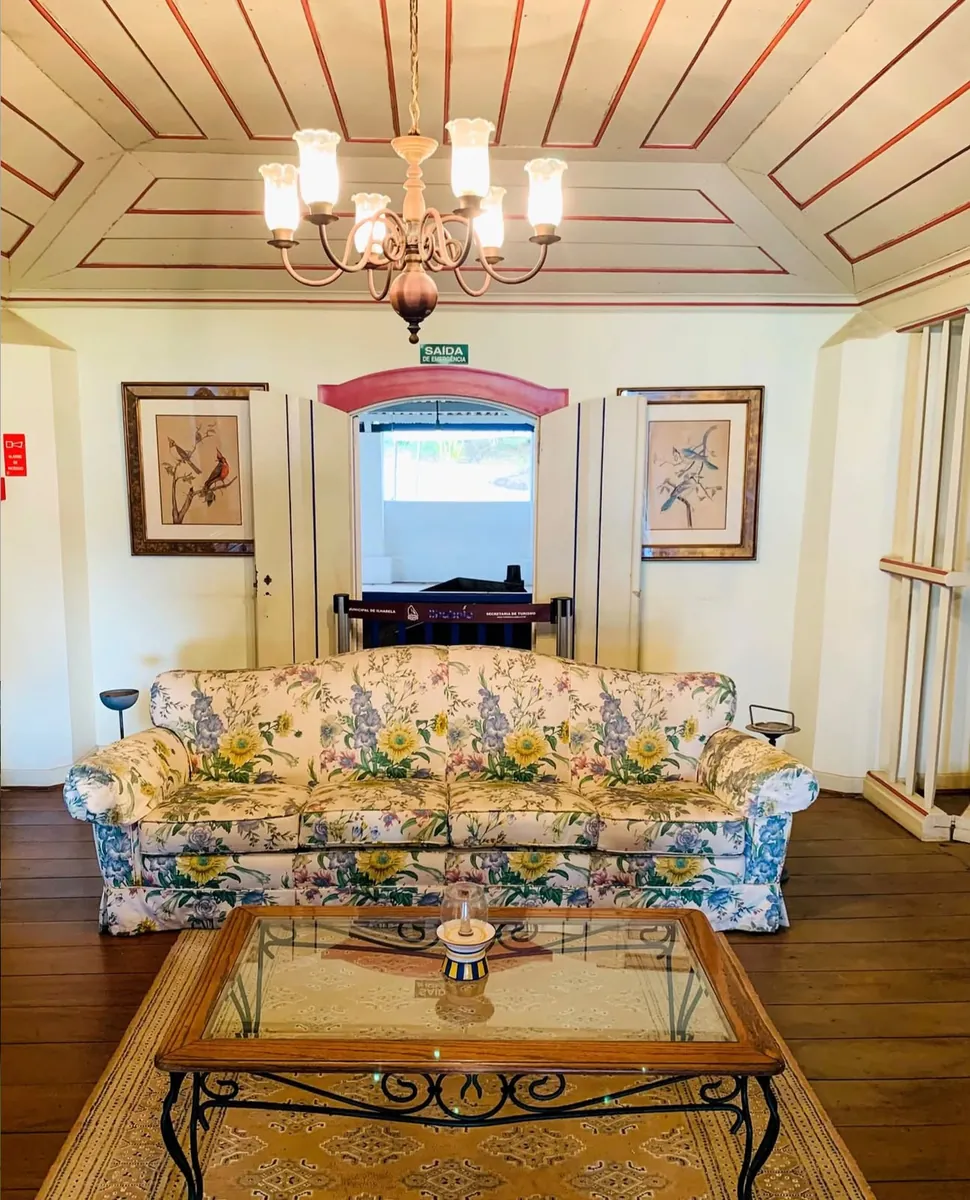
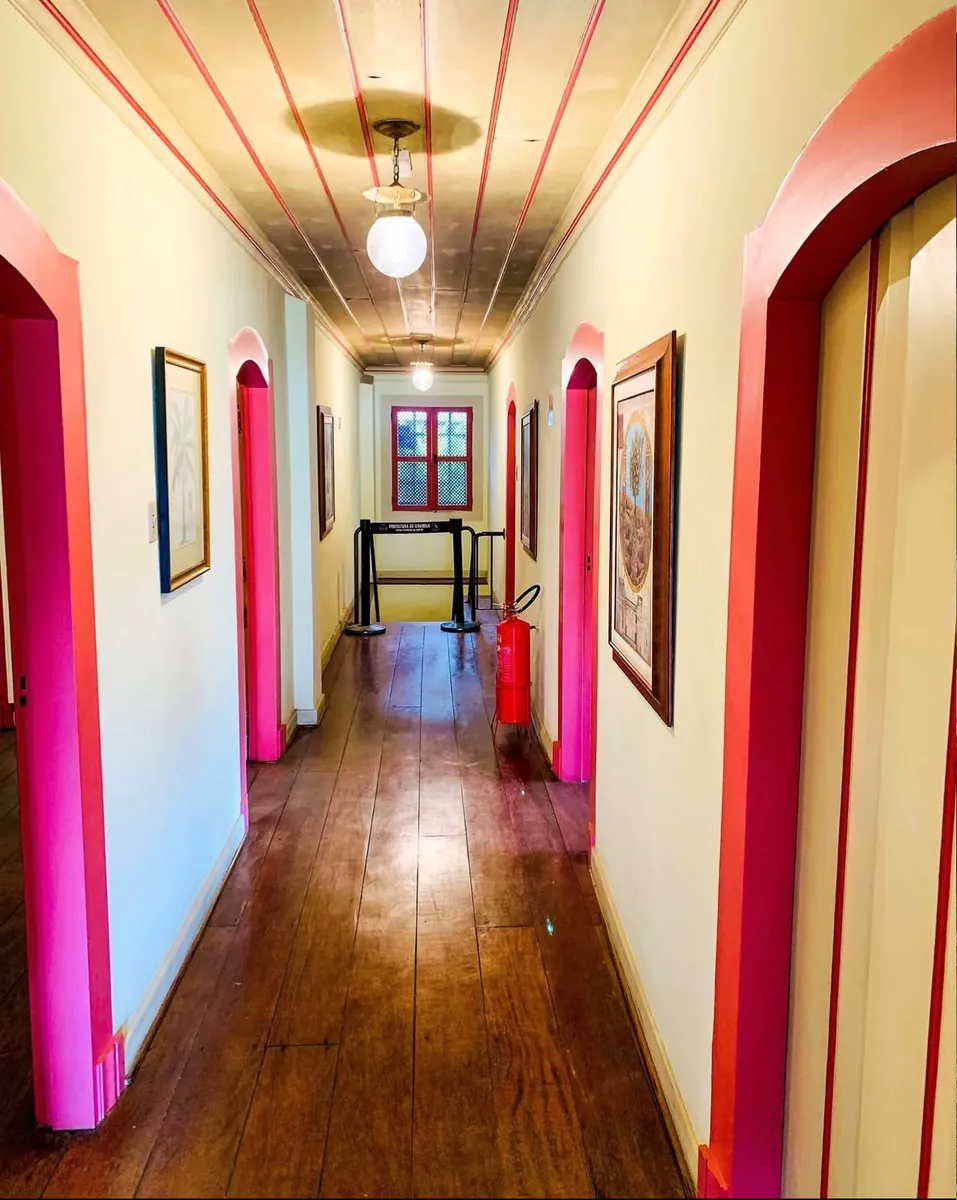
One of Ilhabela’s most important heritage sites. The old estate preserves colonial buildings and structures linked to sugar and cane-spirit production, giving a sense of how the island’s economy worked centuries ago.
Besides the manor house and the mill, enjoy the gardens and combine the visit with the Museu da Cultura Afro-Brasileira and the Café do Engenho.
Also worth visiting
5. Museu da Iluminação e Energia
Images: courtesy
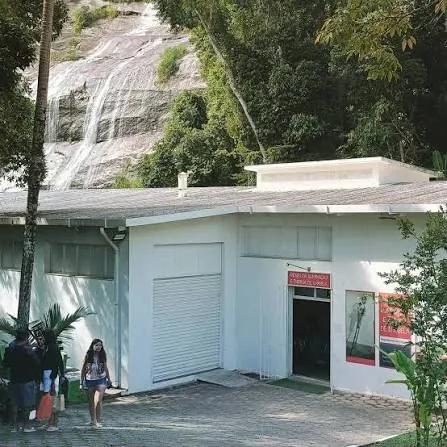
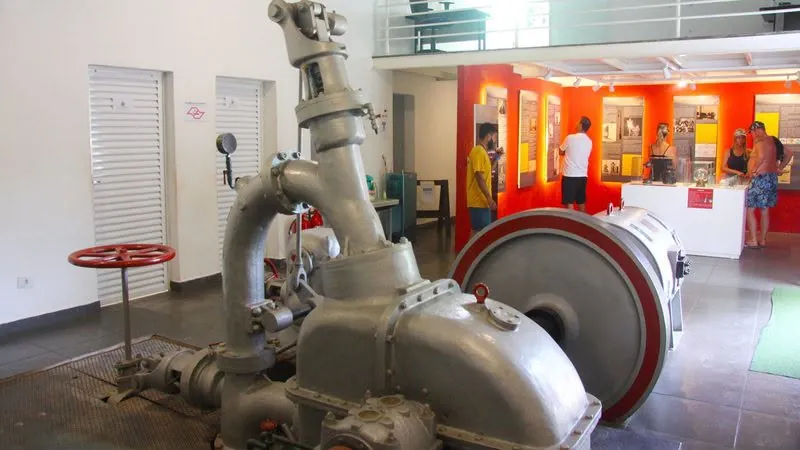
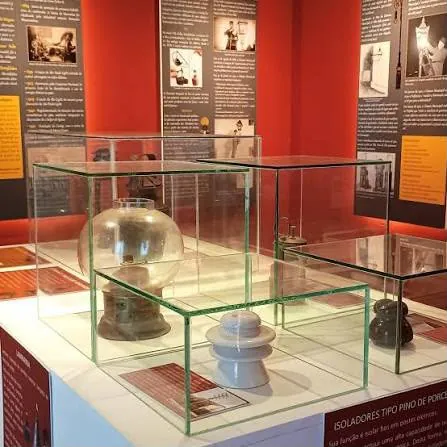
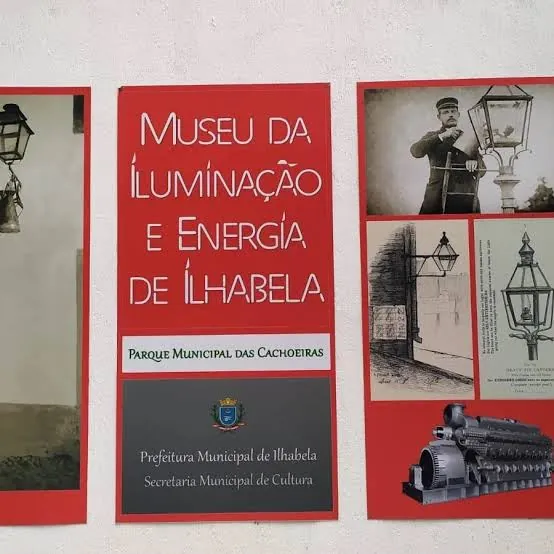
A different kind of attraction that explains how electricity and lighting reached the island. Set in the Parque Municipal das Cachoeiras, next to the Água Branca waterfall, it opened in 2024 and shows equipment and records tracing lighting from old oil lamps to the submarine cables that supply the island today.
6. Igreja Matriz Nossa Senhora D’Ajuda e Bom Sucesso
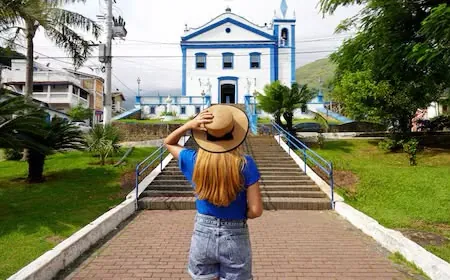
Image: courtesy
One of the town’s main historic and religious landmarks. The church is part of the old town and stands out for its architecture, its steps and its role in local religious tradition. A great stop on a walk around the Vila, along with the museums, the square and the historic streets.
7. Centro Histórico da Vila
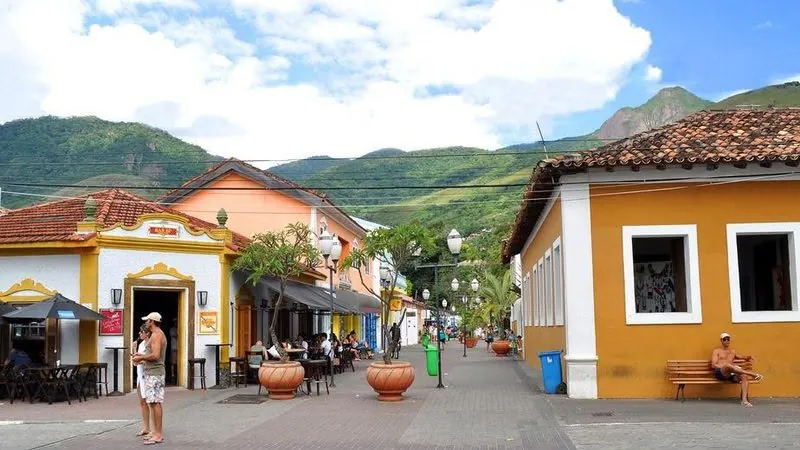
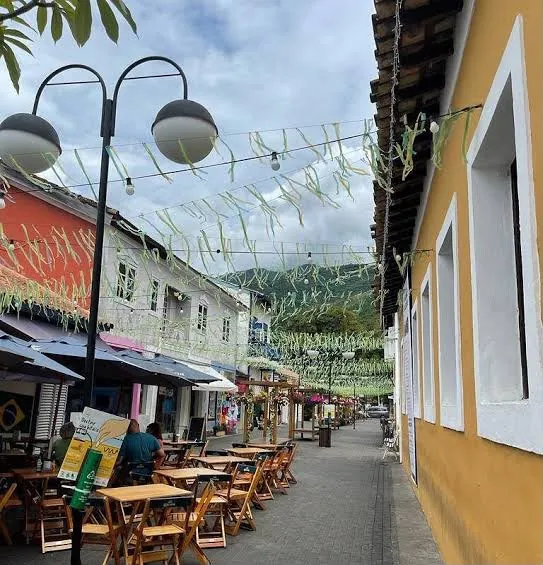
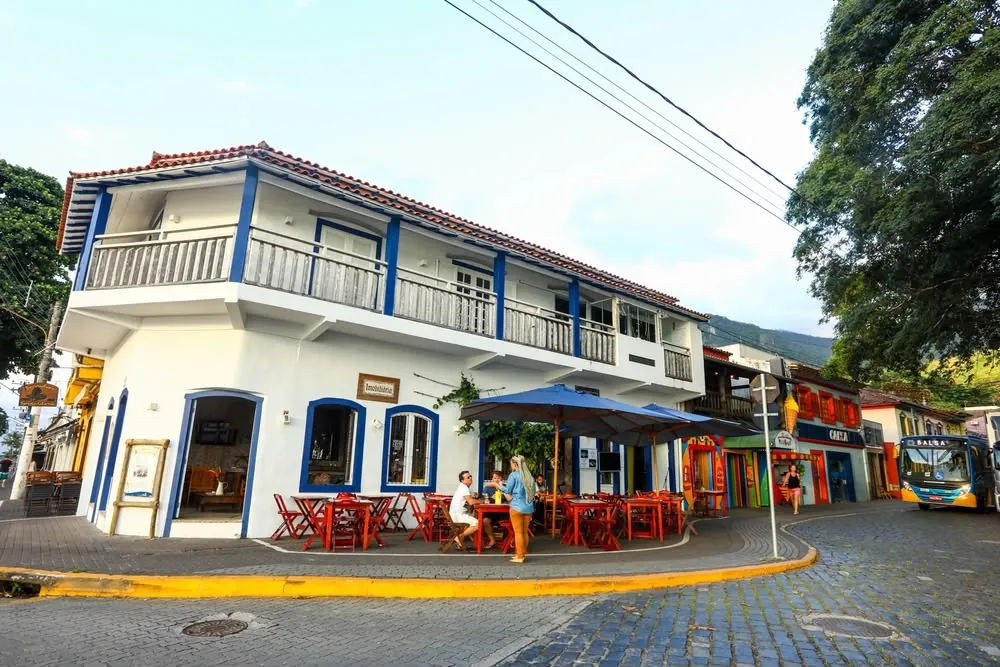
Images: courtesy
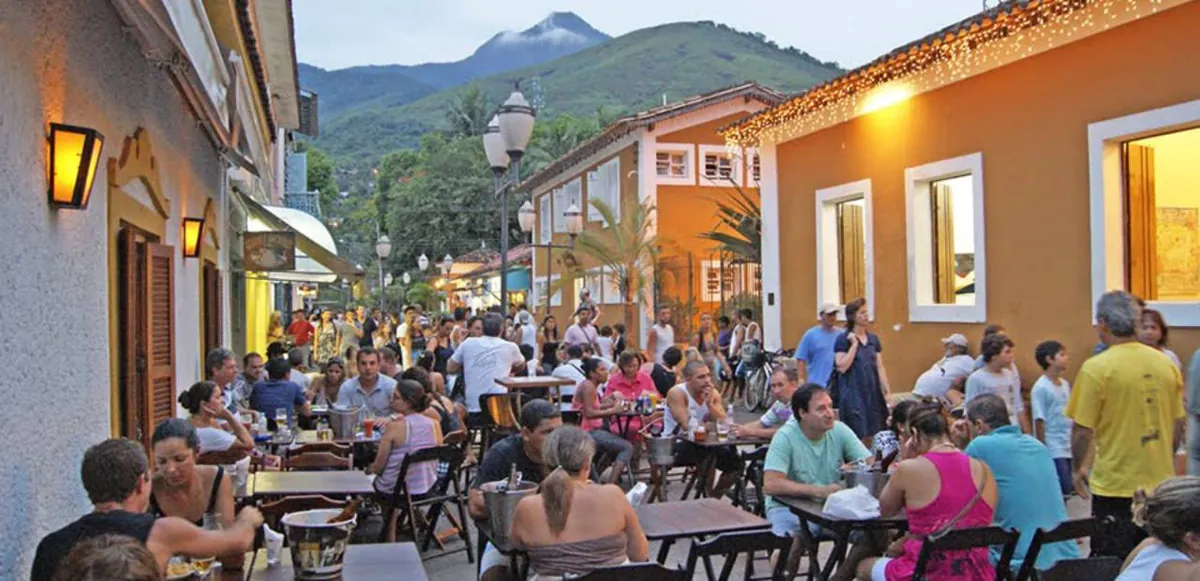
More than a place to stroll and shop, the Vila is the historic and cultural heart of Ilhabela. Its streets, buildings, church, squares and cultural spaces tell the town’s story and preserve part of its caiçara identity.
Explore it on foot, look at the architecture, visit the museums and browse the local shops.
Important: the city council advertises free entry to the municipal museums. Hours and programmes can change, especially on public holidays and during events; check before you go with the Tourist Information Centre: +55 (12) 3895-7220.
Want to discover this place from the sea?
Contact Scalea to check the itinerary, boat and availability for your date.
Talk to ScaleaEditorial references
This guide was written using official and institutional sources to reduce the risk of inaccurate information.
- Ilhabela City Government: municipal history
- Ilhabela City Government: traditional communities
- Ilhabela city council: 8 free cultural outings
- Ilhabela city council: free things to do in Ilhabela
- Tribuna do Sertão: opening of the Museu Náutico with items from the Príncipe de Astúrias (2022)
Scalea tourRent a boat just for your groupChoose the boat and the route at your own pace.See boats →